The Easter Gift No One Wants: A Cyber Attack
AI-powered attacks are on the rise
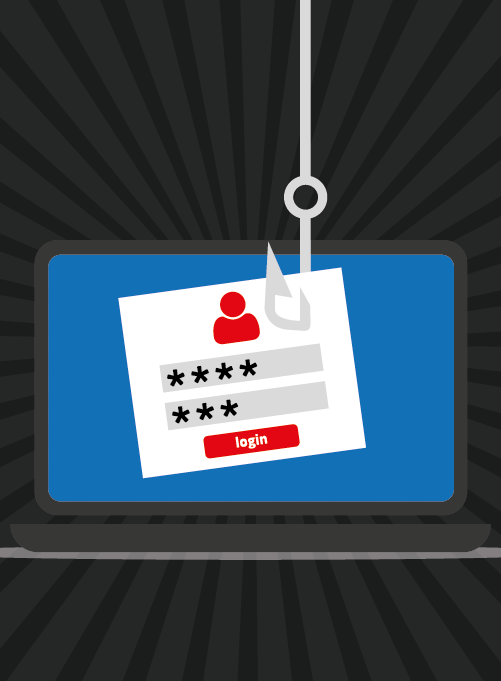
Phishing is no longer crude or obvious. Thanks to AI, emails, messages, and even phone calls are becoming increasingly convincing — right up to deepfakes. Even experienced employees can be deceived.
Our most important line of defence remains people: awareness and clear verification processes. Asking one question too many is better than one too few — that’s not distrust, it’s professionalism.
Zero Trust is no longer a trend — it’s the standard
“Trust nothing, verify everything.” Access should be strictly limited and continuously monitored. This helps reduce damage even if an attack is successful.
Zero Trust is no longer an add-on — it is the foundation of modern IT security.
External backups as a safety net
Prevention is essential — but it never comes with a guarantee. What truly matters is what happens after an incident.
An external, isolated backup is the real insurance against cyber attacks. It ensures data remains available even if production systems are compromised.
Only organisations that protect their backups outside their own environment, test them regularly, and define clear recovery processes remain operational in a crisis.
Before you head into the long Easter weekend
A few simple measures with a big impact:
-
Enable MFA everywhere
Multi-factor authentication stops a large proportion of attacks at the door. -
Patch and update systems
Open vulnerabilities are invitations for attackers — close them in time. -
Test emergency plans
Backup, recovery, and incident response processes should not only exist, but work. -
Educate employees and customers
Knowing what to watch out for remains one of the most effective security measures. -
Secure remote work
Stable Wi-Fi, no public networks, and access only via VPN — whether working from home or on the move.
IT security doesn’t take holidays.
With the right preparation, you can ensure Easter remains calm — for your systems and your teams.


 How may we help you?
 Get in touch by e-mail
 Convenient and simple